
CAMPAIGN UPDATE · OCTOBER 2026
The startup ecosystem is launching an urgent appeal to Europe’s Prime Ministers: Months of negotiations have hollowed out the EU Inc proposal, and only real political leadership can save it. Will they step in and lead?
Read the full update
26,000+ FOUNDERS, INVESTORS, OPERATORS. 27 COUNTRIES.
We went through Brussels' proposal with legal experts. The conclusion is clear:
WHAT IT’S NOT
The 28th regime we campaigned for
One harmonized European startup entity
A new EU company law or court system
WHAT IT CAN BE
A plug-in into every country’s legal system
A path to a pan-European standard
Only if implemented correctly
Several lobby groups are pushing to remove key aspects that can make this work. Starting Sept 3, we have 100 days to get EU Inc right.
NOW IS OUR WINDOW TO ACT
Don't water down EU Inc into 27 versions. It can be Europe's biggest competitiveness win.
The startup ecosystem needs to be loud while the final text is negotiated this fall. It's Europe's once-in-a-generation shot at real competitiveness – and it won't come around twice.
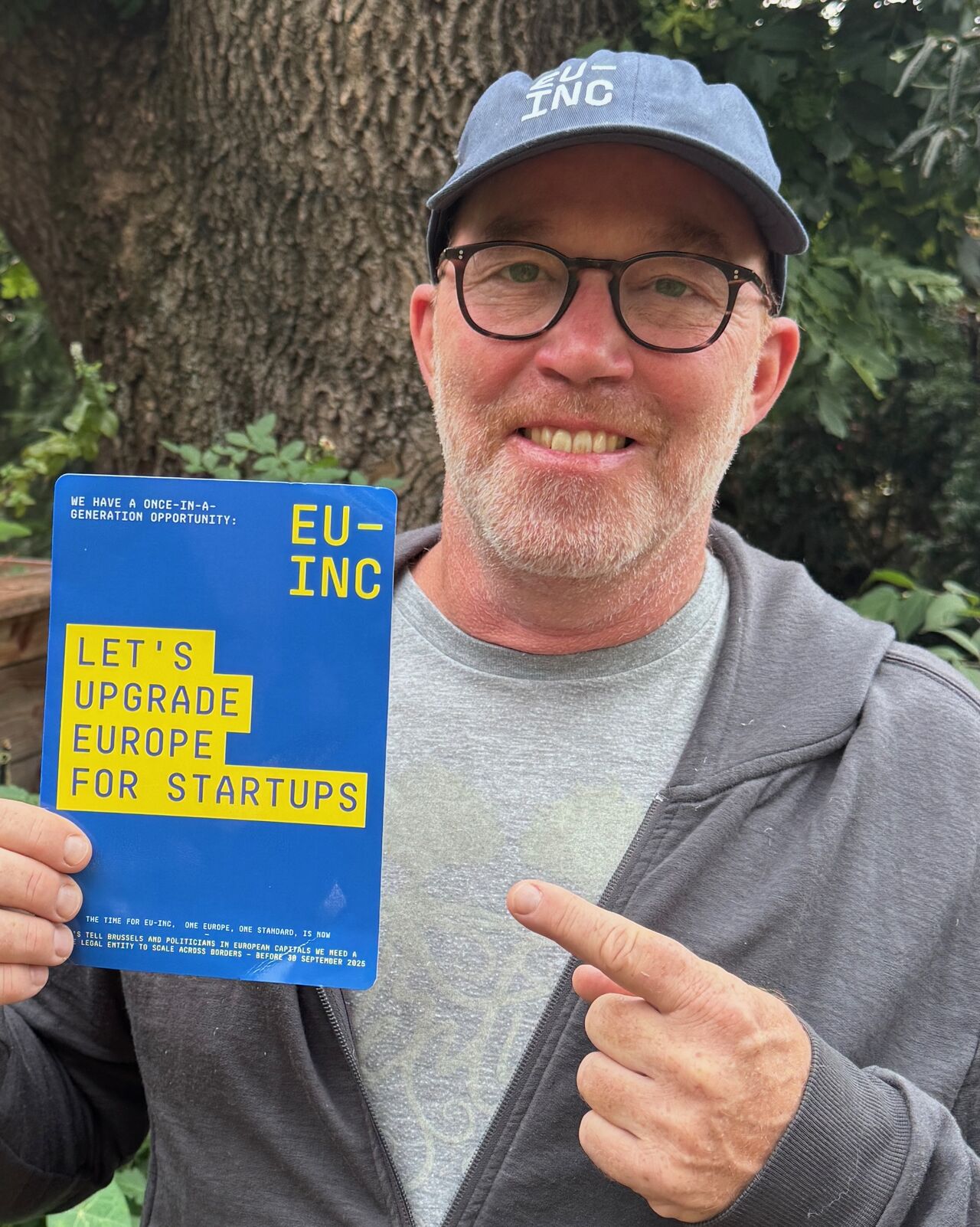
Co-sign our open letter, then post in your own words. Explain why the details of EU Inc matter. Why we need one Europe, one standard - not 27. Make it clear that founders need a usable European standard, not fragmentation.













































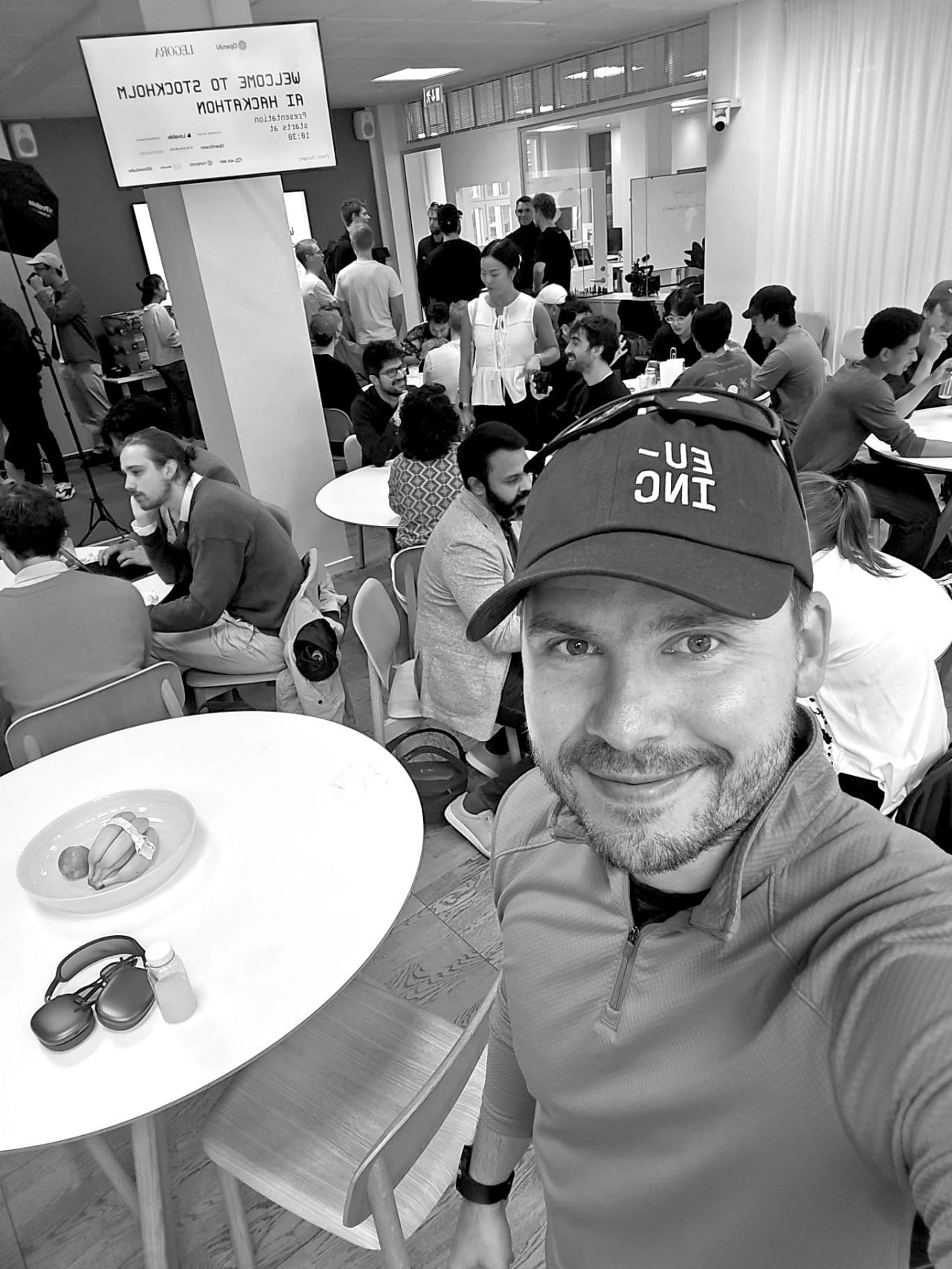
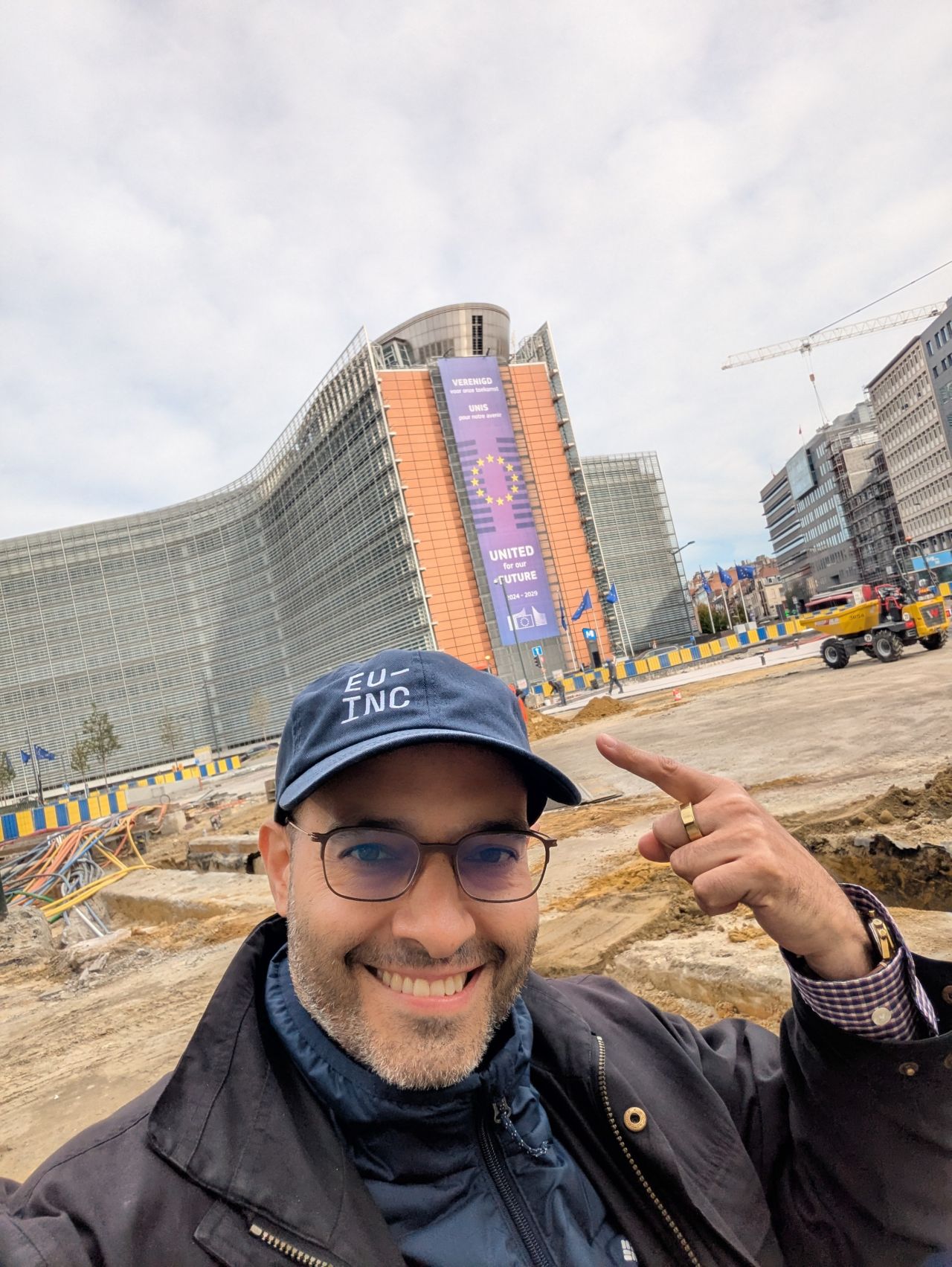






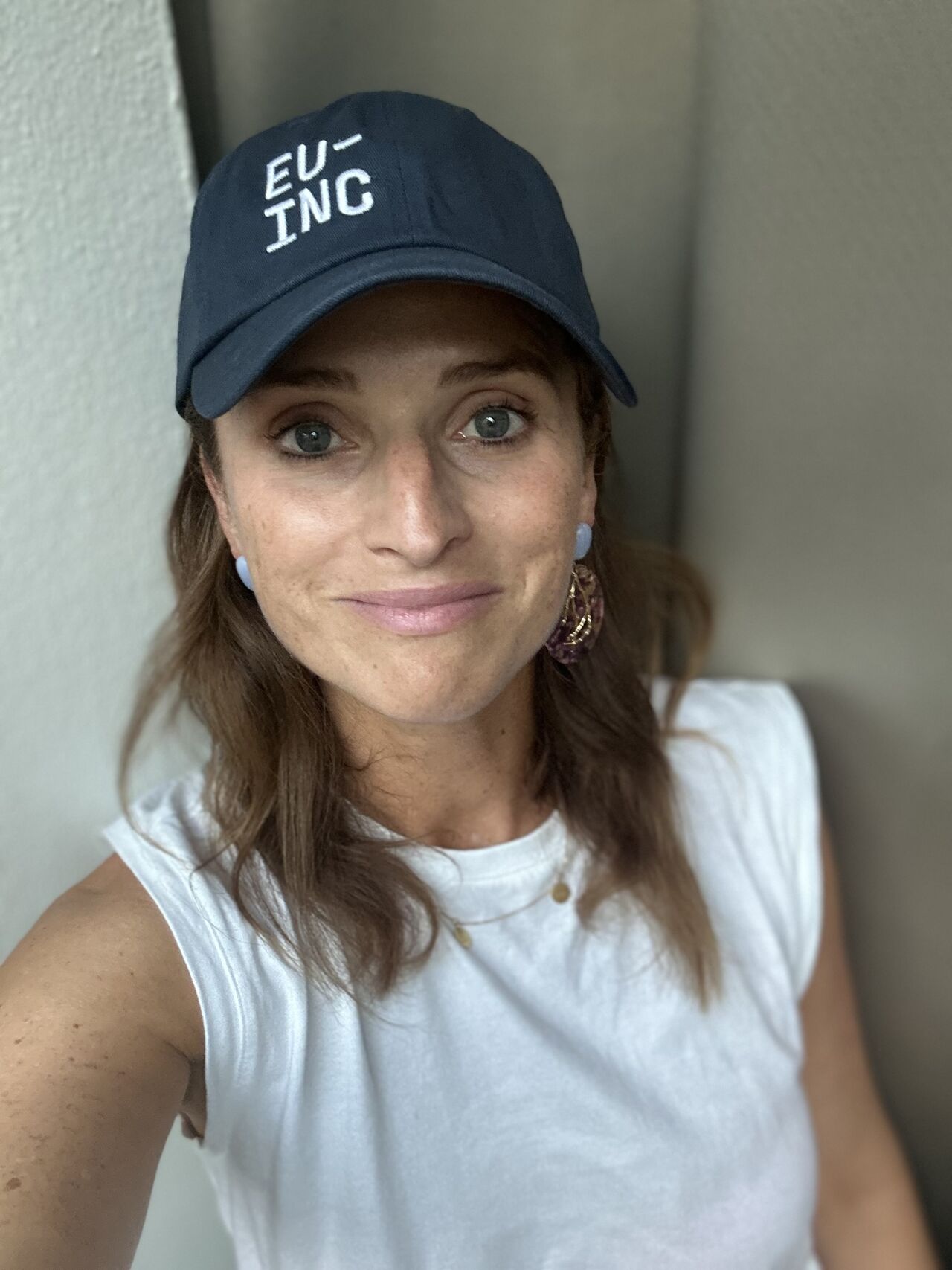

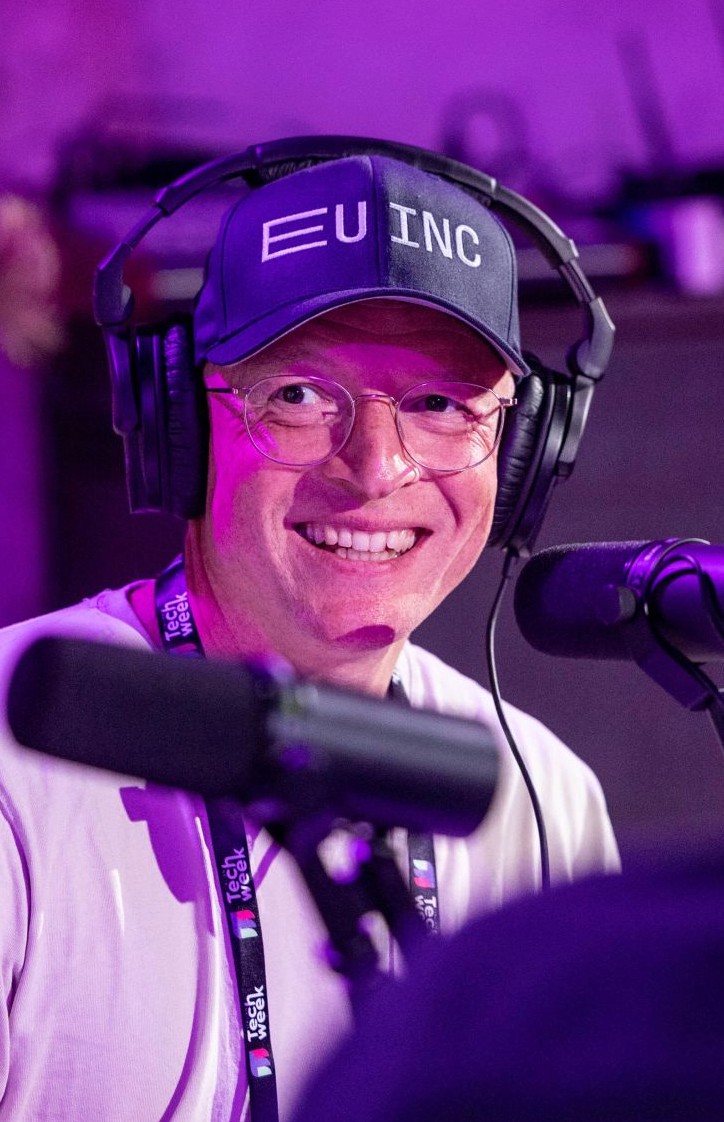
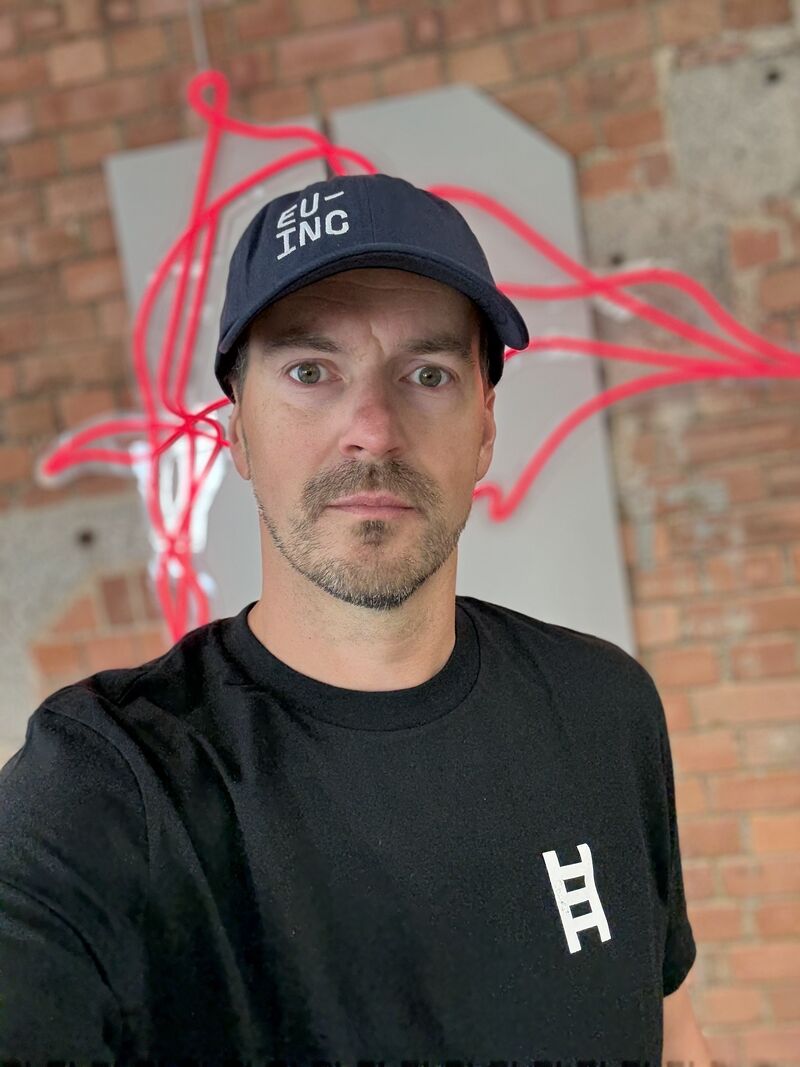

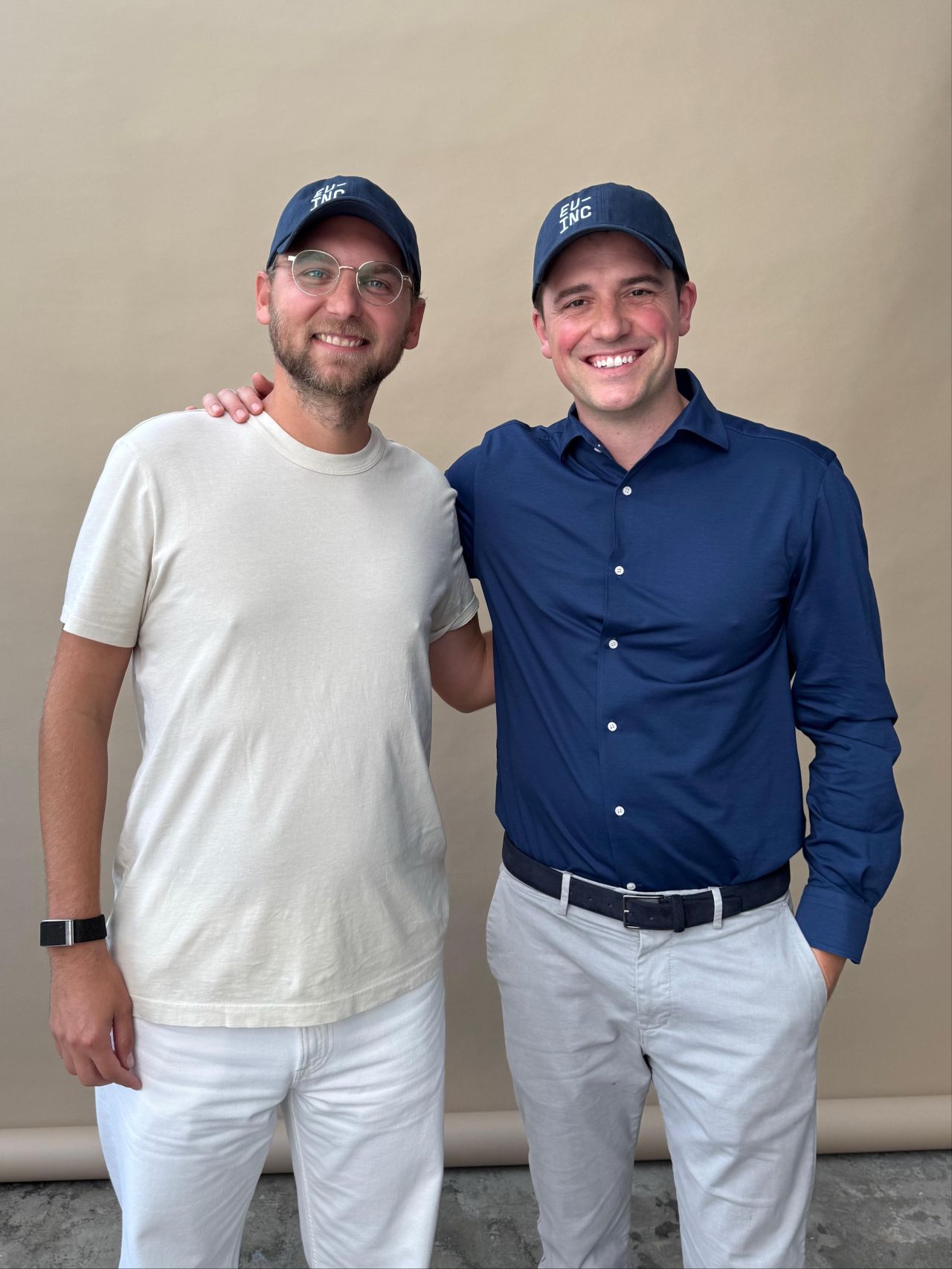
















How Brussels' proposal can work
5 Non-Negotiables
01
FREE CHOICE OF REGISTRATION SEAT
02
REMOVED IN DRAFT
ONE CENTRAL REGISTRY
One digital registry. Strong KYC/AML/UBO enforcement. Fully digital, 48-hour incorporation. One-click bank account creation.
03
ACCESS FOR ALL COMPANIES
No size caps. No revenue thresholds. Founders and markets decide what innovation looks like – not politicians.
04
UNDER THREAT
STANDARDIZED STOCK OPTIONS
A common EU–ESO with deferred taxation and a safe-harbor valuation rule.
05
LOCAL LABOUR LAWS & TAXES
Labor and tax obligations follow real activity, not the company's registered address.
WHAT MATTERS MOST
The details
EU Inc only works if it creates one real European company standard, not another layer on top of 27 national systems.
Founders should be able to build and scale across Europe without navigating a different system in every country. Investors should be able to invest across borders with the same transparency. And European startups should be able to compete globally for talent.
For policymakers, one European standard means building infrastructure once for Europe – instead of maintaining and improving 27 separate national systems.
Now we need Brussels and our political leaders to deliver on that ambition and make EU Inc work. Not just on paper, but for the founders who will actually use it.
WHAT EU–INC DOES NOT CHANGE
Local rules still apply
The goal of our EU–INC campaign is not to avoid local obligations.
EU–INC is not a tax loophole. Taxes follow where the company operates and is administered, not where it is registered. The registered office does not override national tax rules.
EU–INC does not replace local employment law. Employment law follows the country where employees work, not where the company is registered.
If you hire in Germany, German labor law applies to these workers. If you hire in Poland, Polish labor law applies to these workers. Neither should Polish law apply to German workers, nor German law to Polish workers. No matter where you are incorporated.
WHAT IS AT RISK NOW
Brussels’ proposal now moves into negotiations between the Council, Parliament and the Commission this fall - and and key aspects that make EU Inc work are at risk.
The central registry has been cut from a current draft. It's what makes EU Inc one standard rather than 27. One registration, one login, one interface to Europe's governments. Without it, a European company still needs 27 national logins.
Stock options are still under debate. They're how startups compete for talent, and in much of Europe employees are taxed on them long before they've made a single euro.
These details are not technicalities. They decide whether EU Inc becomes a truly pan-European standard founders can use or a legal structure nobody touches.
“Continental scale is our greatest asset in a world of giants.”
URSULA VON DER LEYEN — PRESIDENT OF THE EUROPEAN COMMISSION
100 days to get
EU Inc right
Brussels needs to hear from the people who'll actually use this law, while the final text is still being negotiated. The details being cut now decide whether EU Inc is usable at all.
Talk to your policymakers. They're not from the tech industry. Explain why one European standard is needed, and why one central registry is what makes it one.
If you build, invest, or operate in Europe:
Co-sign the open letter on LinkedIn
Post on LinkedIn why the details of EU Inc matter
Push for the 5 non-negotiables
EU-INC logo & social images are available here
THE FULL LEGAL PICTURE
We conducted a comprehensive legal analysis of Brussels’ proposal, with support from law firm Dentons & legal experts across Europe.
Here’s what we found:
It can work — but only if implemented correctly.
It must be strengthened, not fragmented.
It's NOT a standard without the free choice of registration seat or central registry5 non-negotiables must stay
Tax and labour law follow real activity, NOT where the company is registered.